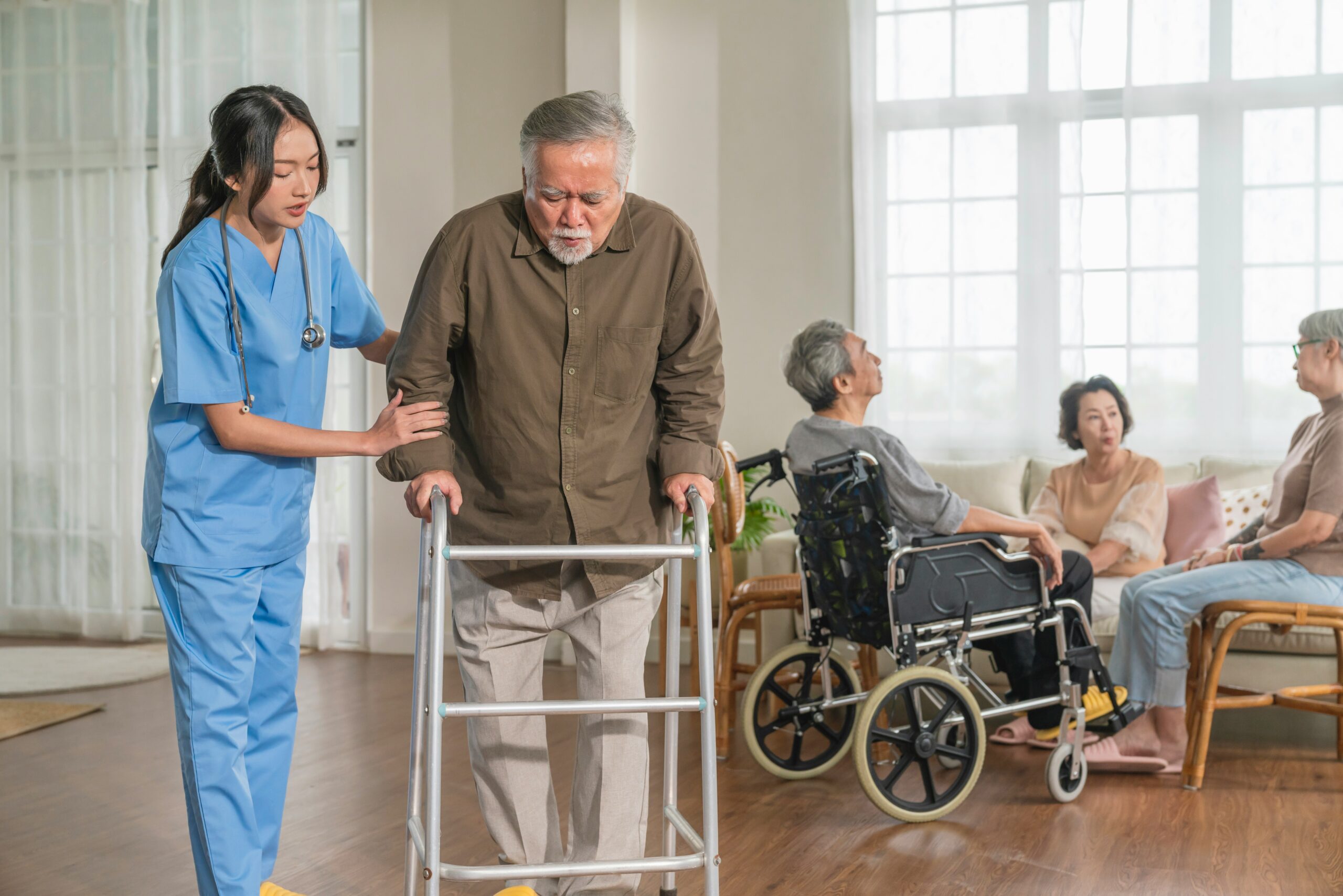
Geriatric care is evolving, and healthcare providers are shifting focus from reactive treatment to proactive prevention. Older adults face unique health challenges, including chronic conditions, mobility issues, and cognitive changes. Addressing these challenges early can improve quality of life, reduce hospitalizations, and extend independence. Preventive medicine and early intervention are no longer optional; they are essential strategies for helping seniors maintain their health and vitality.
Preventive care in geriatrics involves regular screenings, lifestyle assessments, vaccinations, and health education. Physicians and caregivers work together to identify risk factors before serious conditions develop. By monitoring blood pressure, cholesterol, glucose levels, and bone density, healthcare providers can detect early signs of disease and implement strategies to mitigate complications. Preventive medicine empowers older adults to stay active, maintain independence, and enjoy daily life with fewer disruptions.
Early intervention plays a complementary role by addressing emerging health issues before they escalate. Conditions like diabetes, hypertension, or cognitive decline can often be managed more effectively when identified promptly. For example, implementing diet changes, physical activity routines, or medication adjustments at an early stage can slow progression, improve outcomes, and reduce the need for hospital visits. Early intervention supports both the physical and emotional well-being of seniors, giving them confidence in their ability to manage health.
Screenings and Routine Checkups
Regular screenings are the cornerstone of preventive geriatric care. Vision, hearing, blood pressure, cholesterol, and cancer screenings help detect potential problems before they become severe. Routine checkups allow physicians to review medications, assess functional abilities, and evaluate overall wellness. This comprehensive approach ensures that seniors receive timely attention to issues that could impact daily life or long-term health.
Additionally, routine checkups provide opportunities for education and lifestyle guidance. Physicians can discuss nutrition, exercise, sleep patterns, and social engagement, all of which play crucial roles in maintaining health. These discussions help older adults make informed choices and develop habits that support longevity. Routine screenings, combined with personalized advice, create a proactive healthcare model that prioritizes prevention and early intervention.
Lifestyle Interventions for Healthy Aging
Lifestyle choices significantly influence aging outcomes. Exercise, balanced nutrition, stress management, and social interaction all contribute to physical and mental health. Preventive medicine emphasizes these interventions, encouraging older adults to adopt healthy habits that reduce the risk of chronic disease.
Physical activity, even in moderate forms like walking, stretching, or swimming, strengthens muscles, improves balance, and supports cardiovascular health. Nutrition plays an equally important role, with diets rich in fruits, vegetables, whole grains, and lean proteins providing essential nutrients for energy and immunity. Stress-reduction techniques such as mindfulness and meditation support cognitive function and emotional resilience. By integrating lifestyle interventions, seniors can actively participate in their health and prevent avoidable complications.
Vaccinations and Immunizations
Vaccinations are a key component of preventive geriatric care. Influenza, pneumonia, shingles, and COVID-19 vaccines protect seniors from serious infections that can lead to hospitalization or complications. Vaccination schedules may differ for older adults, requiring personalized planning with healthcare providers.
Immunizations not only prevent illness but also reduce strain on healthcare systems and caregivers. When older adults remain healthy, they are more likely to maintain independence, engage socially, and enjoy an active lifestyle. Vaccinations combined with other preventive measures create a comprehensive approach to geriatric health that supports both physical and emotional well-being.
Monitoring Cognitive Health
Cognitive health is an essential aspect of geriatric care. Early signs of mental decline, such as memory lapses or difficulty with daily tasks, can be addressed more effectively through prompt intervention. Cognitive assessments during routine visits help identify at-risk individuals and guide treatment plans, which may include mental exercises, therapy, or lifestyle modifications.
Engaging seniors in cognitive activities such as puzzles, reading, or social interactions can slow mental decline and enhance quality of life. Family involvement and caregiver support further reinforce these efforts. By proactively monitoring cognitive health, healthcare providers can implement interventions that preserve mental function and foster independence.
Chronic Disease Management
Many older adults live with chronic conditions like diabetes, hypertension, or arthritis. Preventive medicine emphasizes early detection and consistent management to prevent complications. Monitoring symptoms, adjusting medications, and encouraging healthy routines are critical components of effective disease management.
Early intervention in chronic disease management reduces hospitalizations and emergency visits. It also allows seniors to maintain daily activities and social engagement. By combining regular monitoring with proactive strategies, healthcare providers help older adults navigate chronic conditions while preserving autonomy and quality of life.
Integrating Technology in Geriatric Care
Technology is playing an increasingly important role in preventive geriatric care. Wearable devices, telemedicine, and mobile health apps enable seniors and caregivers to track health indicators, communicate with providers, and receive guidance without frequent clinic visits. These tools support early detection, prompt interventions, and continuous monitoring, making healthcare more accessible and responsive.
Telemedicine also reduces barriers related to transportation, mobility, or geographic isolation. Seniors can consult with specialists, manage medications, and participate in wellness programs from home. Technology integration enhances preventive care and empowers older adults to take active roles in managing their health.
Creating a Culture of Prevention
Preventive medicine and early intervention work best when integrated into a culture of care that prioritizes wellness. Healthcare providers, caregivers, and seniors themselves must collaborate to maintain consistent checkups, lifestyle practices, and monitoring routines. This proactive mindset shifts the focus from treating illness to maintaining health, thereby improving outcomes and enhancing quality of life.
Education and awareness campaigns also support this culture. Older adults benefit from understanding the importance of screenings, vaccinations, and lifestyle choices. When seniors and caregivers are informed, they are more likely to engage in preventive practices, seek early intervention, and make healthcare decisions that promote long-term wellness.
Reimagining geriatric care through preventive medicine and early intervention transforms the aging experience. By focusing on screenings, lifestyle management, immunizations, cognitive health, and chronic disease monitoring, healthcare providers help seniors maintain independence, prevent complications, and enjoy a higher quality of life. Technology and education further support proactive care, creating a healthcare model that emphasizes prevention over reaction.
Older adults deserve a healthcare approach that prioritizes wellness, empowers self-management, and addresses emerging issues before they escalate. Preventive medicine and early intervention offer practical, effective solutions for achieving these goals. By embracing proactive geriatric care, providers, caregivers, and seniors work together to ensure healthier, happier, and more independent aging.